


Shut-off valves in Ottawa homes often fail due to corrosion, mineral buildup, worn valve stems, frozen pipes, or long periods of inactivity. A shut-off valve is the small valve that controls the water supply to a fixture like a toilet, sink, or washing machine, and the main shut-off valve controls the water for the entire home.
When a shut-off valve starts leaking, becomes hard to turn, or no longer stops the water flow, it usually means the valve is failing and should be repaired or replaced before it causes water damage.
This guide covers the seven most common shut-off valve problems in Ottawa homes, how to diagnose them, safe DIY steps, and when to call a licensed plumber.
1. Leaking Shut-Off Valve
(Most Common Issue in Ottawa Homes)
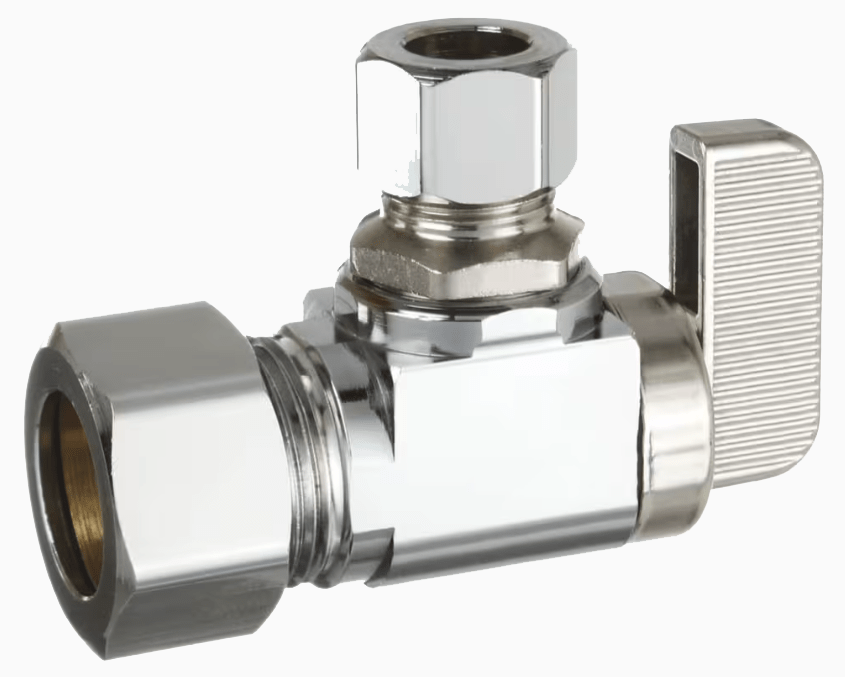
A leaking shut-off valve is one of the most common plumbing problems in Ottawa, especially in older homes or valves that haven’t been used in years. When water drips from the valve stem or around the packing nut, it means the seal is no longer tight.
Common causes include:
- A packing nut that has loosened over time
- Mineral buildup is wearing down the valve stem
- An aging valve that no longer seals properly
How to Fix a Leaking Shut-Off Valve
- Place a towel or bucket under the valve to catch drips.
- Gently tighten the packing nut with an adjustable wrench (⅛–¼ turn).
- Turn the valve off and on a few times to help reseat the internal washer.
If the valve continues leaking, the internal components are worn out. At that point, replacement is the only reliable fix.
2. Shut-Off Valve Drips Only After Water Is Turned Back On
Some valves drip only after the water pressure is restored. This usually happens in valves that have been left unused for months, allowing the internal washer to dry out or become brittle.
Common reasons this happens:
- Mineral buildup on the sealing surfaces
- A worn or hardened internal washer
- Long periods of inactivity
DIY Fix
- Cycle the valve fully open and closed several times.
- Lightly tighten the packing nut to stop stem seepage.
If the dripping continues, the internal seal has failed, and the valve should be replaced.
3. Stuck or Hard-to-Turn Shut-Off Valve
A shut-off valve that is stiff or won’t turn is especially common in Ottawa homes with older plumbing or valves located near cold exterior walls. Corrosion and mineral buildup inside the valve prevent the stem from turning smoothly.
Typical causes include:
- Internal corrosion
- Mineral buildup on the stem
- Outdated gate valves are prone to seizing
- Valves installed in cold or damp locations
Safe DIY Fix
- Gently “exercise” the valve by turning it slightly open and closed.
- Do not force the valve; over-torquing can break the pipe and cause a burst pipe.
If the valve won’t move without significant force, stop and call a plumber.
4. Shut-Off Valve Won’t Fully Shut Off Water
If water continues flowing even when the valve is turned off, the internal sealing mechanism has failed. This is a clear sign that the valve cannot control water flow.
Common reasons:
- Worn internal seals
- A damaged valve seat
- Corrosion inside the valve body
- Old gate valves are losing their sealing ability
DIY Check
- Test your main water shut-off valve to confirm the issue isn’t upstream.
- Check water flow at other fixtures for comparison.
A valve that cannot stop water is beyond repair and must be replaced by a licensed plumber.
5. Valve Is Open, But No Water Comes Out
If a shut-off valve is fully open but no water reaches the fixture, something between the valve and the fixture is blocking flow. This is especially common in cold areas of Ottawa during winter.
Likely causes:
- A frozen pipe
- A mineral blockage
- A burst pipe is leaking inside a wall
- Complete internal valve failure
DIY Checks
- Test another fixture to confirm it’s not a whole-home supply issue.
- Check the pipe for frost, cold spots, or bulging.
If freezing is suspected, call a plumber immediately to avoid a burst pipe.
6. Leaking or Failing Saddle Valves
(Outdated & Unsafe)
Saddle valves were commonly used for humidifiers, icemakers, and older appliances. They pierce the pipe rather than connecting with proper fittings, making them among the most failure-prone valves in a home.
Why saddle valves fail:
- Weak puncture-style design
- Corrosion around the needle
- Poor handling of water pressure
- Frequent gasket failures
Fix
There is no safe repair for saddle valves.
They must be removed and replaced with a proper shut-off valve to prevent leaks and code violations.
7. Burst Pipe Near the Shut-Off Valve
(Very Common in Ottawa Winters)
Ottawa winters regularly cause pipes to freeze and burst, especially where plumbing runs through exterior walls. When ice expands inside the pipe, it can crack the line near the valve. The damage becomes obvious only when the valve is turned on again.
Signs of a burst pipe include:
- No water is coming from the fixture
- Water spraying when the valve is opened
- Moisture or leaks in the wall or basement
- A sudden, unexplained increase in your water bill
What to Do Immediately
- Shut off your main water supply.
- Avoid touching the frozen valve; it can snap.
- Call an emergency plumber for immediate repair.
A burst pipe requires professional replacement of the damaged section and installation of a new, properly rated valve.
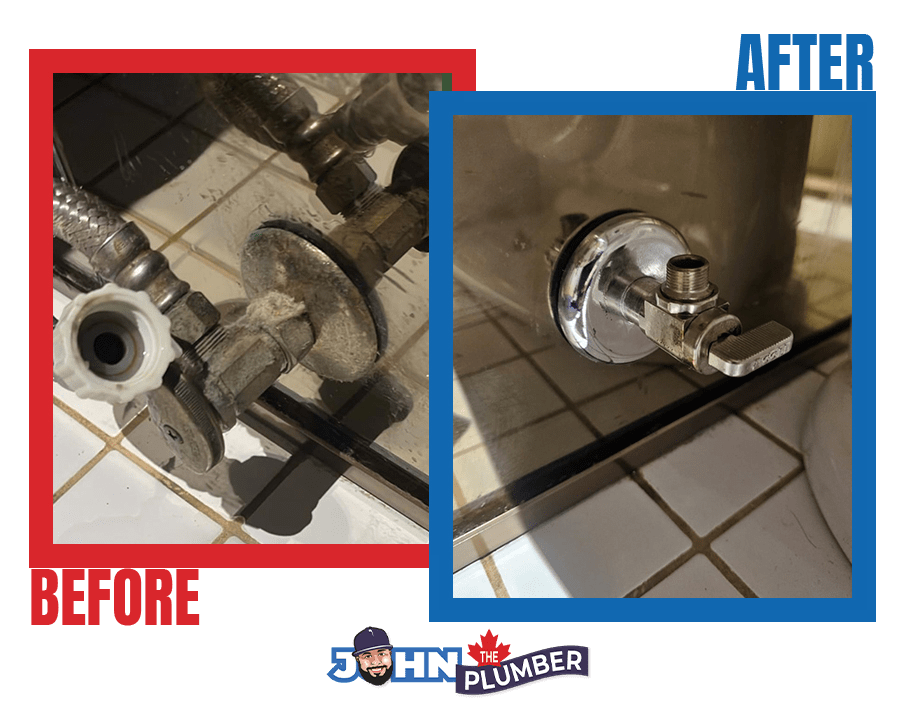
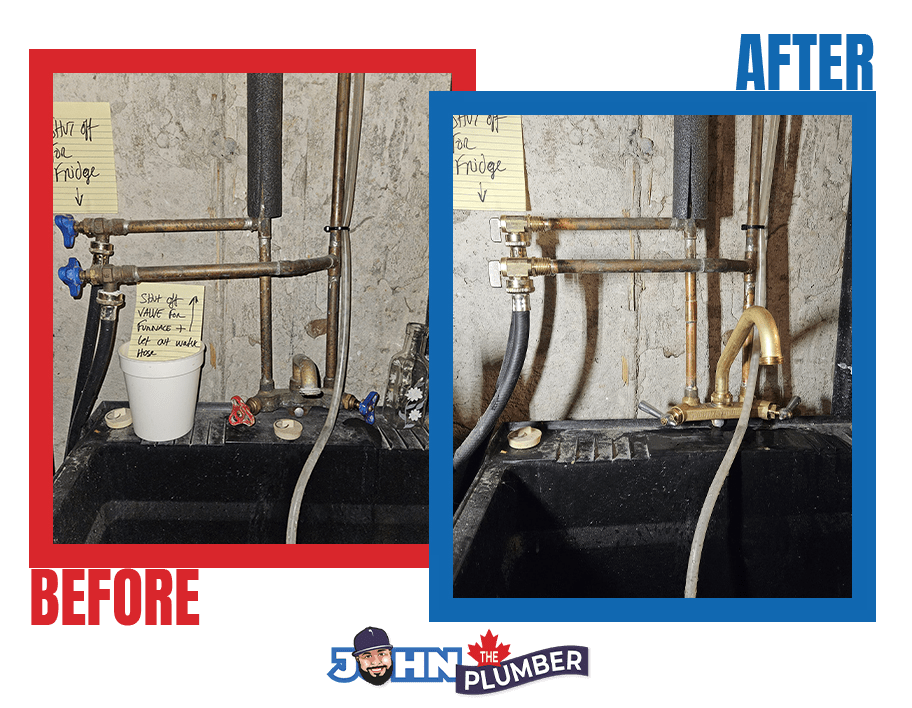
Quick Shut-Off Valve Problem Diagnosis
Leaking shut off valve
Drips after water back on
Stuck valve / hard to turn
Won’t shut off water
Valve open, no water
Leaking saddle valve
Burst pipe near valve
Main shut-off valve hard to access
When Should Ottawa Homeowners Call a Licensed Plumber?
You should call a fully licensed plumber if you notice:
- Leaks from the valve stem or body
- Difficulty turning the valve
- A valve that won’t shut the water off
- Moisture, frost, or bulging pipes
- Water flow issues affecting specific fixtures
- A burst pipe
- Outdated or unsafe valves (gate valves, saddle valves)
- Repeated leaking after DIY attempts
A plumber can complete shut-off valve installation or replacement within a few hours, protecting your home’s plumbing system from future issues.
FAQs About Shut-Off Valve Problems
How do I know if my shutoff valve is failing?
Look for leaking, difficulty turning, corrosion, or incomplete water shutoff.
Can I fix a shutoff valve myself?
You can tighten the packing nut or test movement, but most faulty valves require a professional replacement.
How long do shutoff valves last?
Typically 15–20 years, depending on mineral buildup, pressure, and usage.
Are ball valves better than gate valves?
Yes, ball valves last longer, resist corrosion, and offer better control.
Can cold weather cause shutoff valve problems?
Yes. Valves near exterior walls can freeze, leading to burst pipes.
Professional Shut Off Valve Repair in Ottawa
If your shut-off valve is leaking, stuck, outdated, or not functioning correctly, John The Plumber offers fast, professional water shut-off valve repair that Ottawa homeowners trust.
Our plumbing experts provide reliable plumbing solutions, shutoff valve installation, valve replacement, and emergency repairs.
Contact John the Plumber today for same-day shut-off valve repair anywhere in Ottawa.