


Does Hamilton Have Hard Water? Signs, Testing & Solutions
Does Hamilton Have Hard Water?
Yes, Hamilton has moderately hard water. According to the City of Hamilton, the central municipal drinking water supply has a hardness level of approximately 120 mg/L (milligrams per litre) as calcium carbonate. Although this water meets Ontario’s drinking water quality standards, its natural mineral content can still leave deposits on plumbing fixtures, dishes, and household appliances.
Hamilton’s water comes primarily from Lake Ontario and is treated at the Woodward Avenue Water Treatment Facility. It naturally contains dissolved calcium and magnesium, the two minerals responsible for water hardness.
However, not every Hamilton household has the same water hardness. Communities served by municipal groundwater systems, including Carlisle, Freelton, and Greensville, can experience significantly harder water than homes connected to the central Lake Ontario supply.
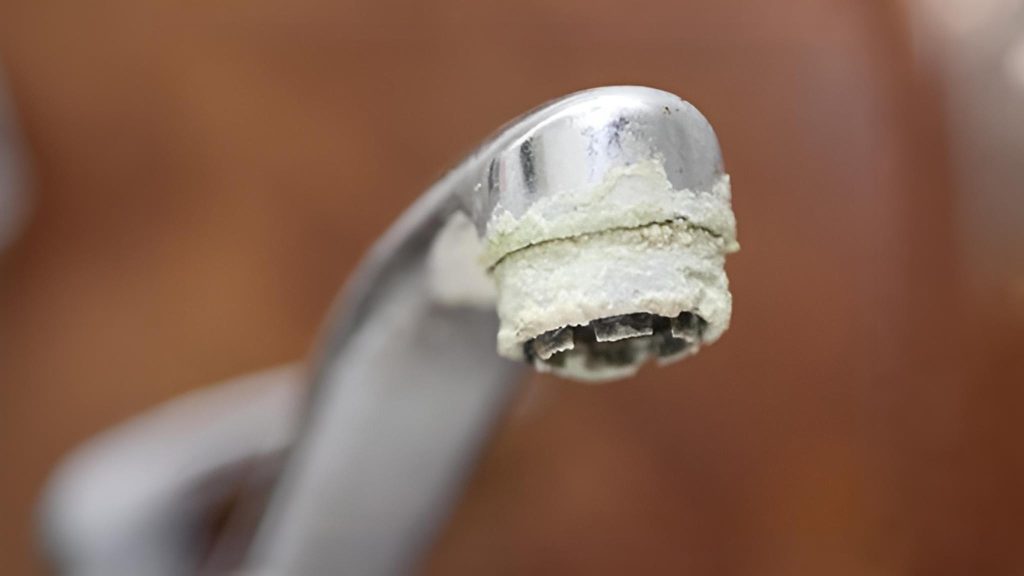
If you’ve noticed white, chalky buildup around your faucets, cloudy spots on drinking glasses, or mineral deposits inside your kettle, hard water could be responsible. Over time, these deposits, commonly called limescale or calcification, can also accumulate inside water heaters and other appliances.
The good news is that hard water is generally not a drinking water safety concern. However, understanding your home’s water hardness can help you reduce mineral buildup, maintain your plumbing fixtures, and determine whether water treatment is necessary.
What Causes Hard Water and Calcification?
Hard water develops when water contains dissolved minerals, primarily calcium and magnesium. These minerals occur naturally in rocks and soil and can enter water supplies as water moves through the environment.
In Hamilton, minerals are naturally present in the municipal water supply. While they generally don’t make the water unsafe to drink, they can create noticeable problems around your home, particularly when water is heated or allowed to evaporate.
What Is Water Calcification?
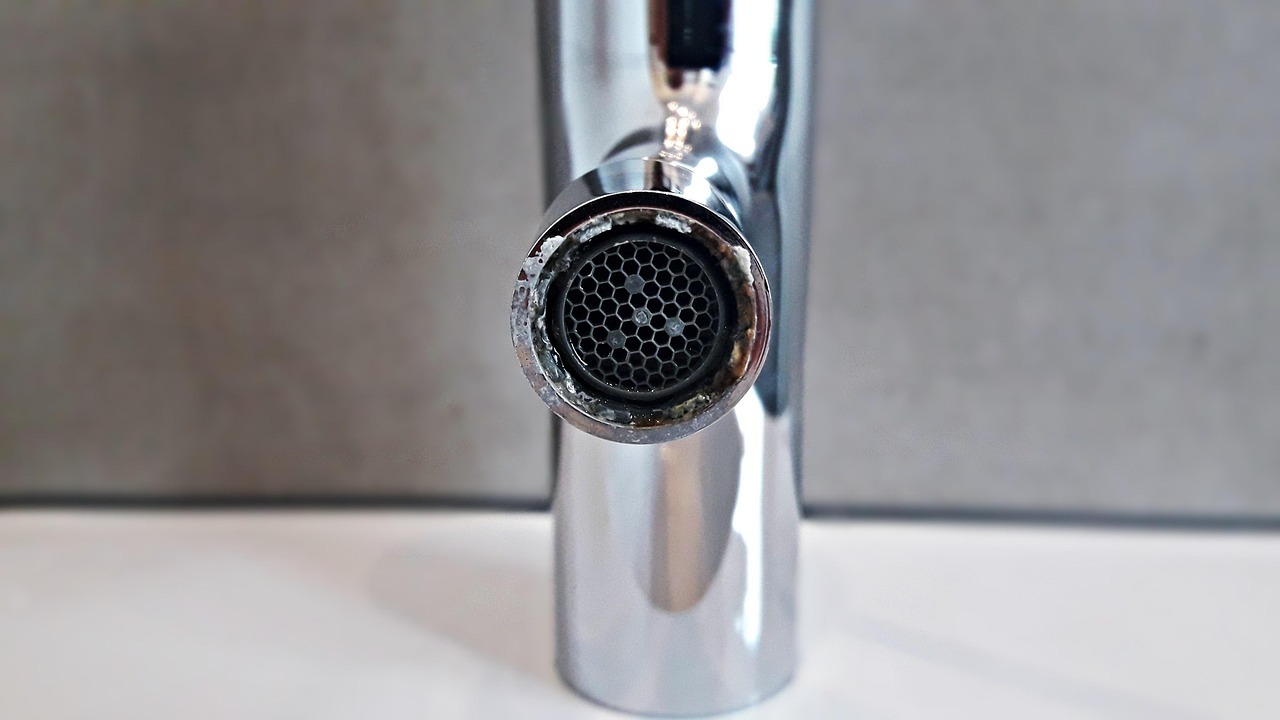
Water calcification refers to the buildup of mineral deposits, usually calcium carbonate, on surfaces or inside plumbing fixtures and appliances. This buildup is commonly called limescale.
You might recognize it as:
- White, chalky deposits around faucets and showerheads.
- Crusty mineral buildup inside kettles and coffee makers.
- Cloudy spots or white residue on dishes and glassware.
- Scale forming on heating elements inside water heaters.
- Reduced water flow through fixtures affected by heavy mineral deposits.
As hard water evaporates, it can leave some of its dissolved minerals behind. Heating hard water can also encourage calcium carbonate to form solid deposits, which is why kettles and water heaters are particularly susceptible to scale.
Can Calcification Damage Your Plumbing?
Over time, significant mineral buildup can restrict water flow through faucet aerators, showerheads, and certain plumbing components. Scale can also accumulate on water-heating surfaces, reducing heat transfer and potentially increasing energy consumption.
However, a little white residue around a faucet doesn’t automatically mean your pipes are damaged. The severity of mineral buildup depends on your water hardness, water temperature, usage, and the type of plumbing or appliance.
If you’re experiencing reduced hot water performance, unusual noises from your water heater, or recurring mineral buildup, it may be worth having your equipment inspected.
John the Plumber provides water heater repair in Hamilton and can help identify problems affecting your hot water system.
6 Signs of Hard Water in Your Hamilton Home
Not sure whether hard water is affecting your home? You don’t need specialized equipment to spot some of the most common warning signs.
Because Hamilton’s municipal water contains naturally occurring calcium and magnesium, homeowners may notice mineral deposits on plumbing fixtures, dishes, and appliances.
Here are six signs worth looking for.
1. White Buildup Around Faucets and Showerheads
One of the most recognizable signs of hard water is a white, chalky residue around faucets, showerheads, and drains.
These deposits, commonly called limescale, form when mineral-rich water evaporates or calcium carbonate comes out of solution.
You may notice buildup around faucet aerators or small showerhead openings, sometimes affecting water flow.
2. Cloudy Glassware and Water Spots
Do your drinking glasses look cloudy even after they’ve been washed?
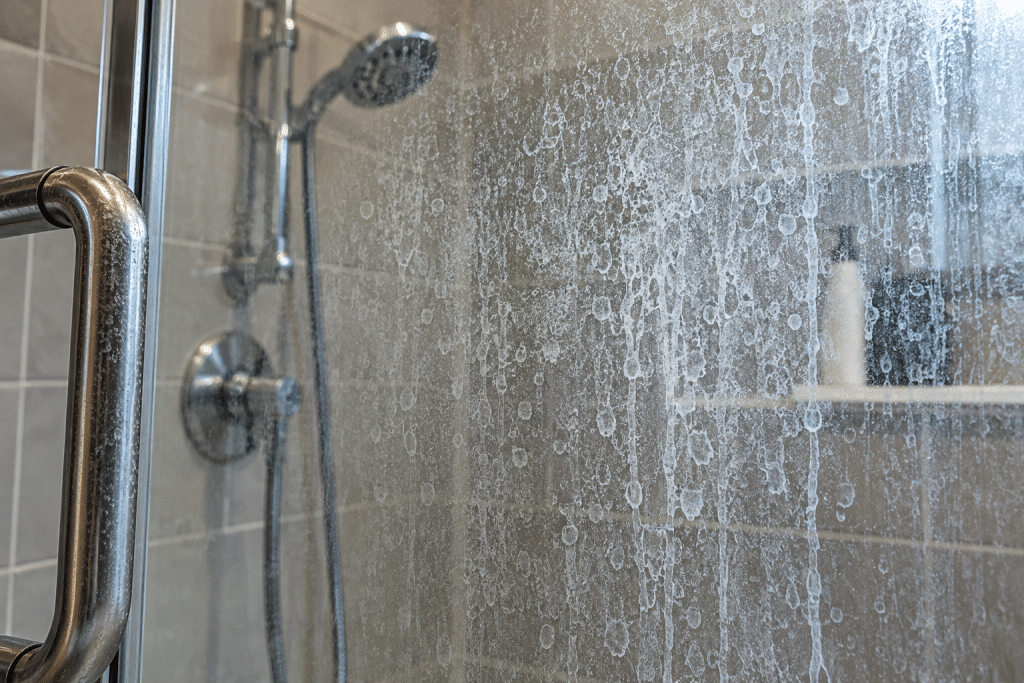
Hard water can leave mineral spots on dishes, glasses, and cutlery as water dries. You might also notice a cloudy film on shower doors and bathroom mirrors.
Some deposits can be removed with an appropriate descaling cleaner, although not all cloudy glass is caused by hard water.
3. Soap That Doesn’t Lather Easily
Calcium and magnesium in hard water react with soap, making it harder to produce a rich lather.
You might find yourself using more soap when washing your hands or cleaning around the house.
Hard water can also contribute to soap scum on bathtubs, sinks, and shower walls.
4. Dry-Feeling Skin and Dull Hair
Some people notice that their skin feels dry or their hair feels coated after showering in hard water.
Minerals can interfere with rinsing away soap and shampoo completely, potentially leaving residue behind.
However, dry skin and hair can have many causes, so these symptoms alone aren’t proof that your home has hard water.
5. Mineral Deposits Inside Kettles and Appliances
If you’ve noticed a chalky coating inside your kettle or coffee maker, hard water could be responsible.
Heating mineral-rich water encourages scale to form on certain surfaces.
Over time, mineral buildup can also affect water heaters, particularly where scale accumulates on heating surfaces.
6. Reduced Water Flow From Certain Fixtures
Mineral deposits can gradually collect inside faucet aerators and showerheads, partially blocking their openings.
If one faucet or showerhead has noticeably weaker flow than the others, check whether its outlet has visible buildup.
Keep in mind that low water pressure can also result from plumbing leaks, valve problems, or other restrictions. Mineral deposits are only one possible cause.
Do These Signs Mean You Need a Water Softener?
Not necessarily. A small amount of mineral residue is common in homes with moderately hard water and doesn’t automatically require a whole-home treatment system.
If buildup is persistent or you’re concerned about its effects on your plumbing and appliances, testing your water hardness is a sensible first step.
We’ll explain how to do that in the next section.
How to Test for Hard Water at Home
If you’ve noticed white mineral deposits, cloudy glassware, or soap scum around your home, testing your water can help you determine whether hard water is contributing to the problem.
The good news is that you don’t necessarily need a plumber or expensive equipment to check your water hardness. There are several simple ways to get started.
1. Try the Soap Bottle Test
The soap bottle test is a quick way to look for signs of hard water using items you probably already have at home.
Here’s how to do it:
- Fill a clean, clear bottle about one-third full with tap water.
- Add a few drops of plain liquid soap, preferably a simple soap without added detergents.
- Close the bottle and shake it vigorously for 10–15 seconds.
- Look at the amount of foam and the appearance of the water.
Water that produces plenty of suds and remains relatively clear may be softer. Water that produces little foam or becomes cloudy may contain higher levels of hardness minerals.
Keep in mind: This is only a rough demonstration, not a reliable measurement. Many household hand soaps and dish detergents contain ingredients that can affect the results.
2. Use a Water Hardness Test Strip
For a more useful measurement, purchase a water hardness testing kit or test strips designed specifically to measure calcium and magnesium hardness.
These are commonly available from hardware stores, home improvement retailers, and water treatment suppliers.
Follow the manufacturer’s instructions, including the recommended dipping time and colour comparison.
Most kits report hardness in milligrams per litre (mg/L) or parts per million (ppm) as calcium carbonate (CaCO₃). Some use grains per gallon (gpg).
A common water hardness classification is:
| Hardness (mg/L as CaCO₃) | Classification |
|---|---|
| 0–60 | Soft |
| 61–120 | Moderately hard |
| 121–180 | Hard |
| More than 180 | Very hard |
These ranges are general guidelines, and different organizations may use slightly different classifications.
3. Check Hamilton’s Municipal Water Information
If your home receives municipal drinking water, you can also review water quality information published by the City of Hamilton.
Hamilton’s main municipal water system draws from Lake Ontario, but water hardness can vary depending on the water system serving your property.
The city’s drinking water reports provide useful information about local water quality and treatment.
Visit the City of Hamilton’s drinking water information to learn more.
4. Consider Professional Water Testing
If you’re experiencing persistent mineral buildup, considering a water softener, or relying on a private well, professional testing can provide a clearer picture of your water quality.
A water treatment professional can measure hardness and help determine whether treatment equipment would be worthwhile.
For private wells, remember that a hardness test alone does not establish whether the water is safe to drink. Bacterial and other water quality testing may also be necessary.
What Should You Do If Your Water Is Hard?
A hard water test result doesn’t automatically mean there’s a plumbing emergency.
For many homeowners, routine cleaning and occasional descaling may be enough to manage mineral deposits.
If scale keeps returning, affects your fixtures, or causes problems with water-heating equipment, it may be worth exploring additional treatment options.
Next, we’ll look at practical ways to manage hard water in your Hamilton home.
How to Deal With Hard Water in Hamilton
If you’ve confirmed that your home has hard water, you might be wondering what to do about it.
The good news is that moderately hard water doesn’t automatically require expensive treatment equipment. Many Hamilton homeowners can manage occasional mineral deposits with regular cleaning and simple maintenance.
However, if limescale keeps returning or begins affecting your plumbing fixtures and appliances, there are additional solutions worth considering.
1. Remove Mineral Buildup From Faucets and Showerheads
White calcium deposits around faucets and showerheads can often be removed with a mild descaling solution.
For fixtures that can tolerate acidic cleaners, white vinegar may help dissolve calcium carbonate deposits.
To clean affected fixtures:
- Check the manufacturer’s cleaning recommendations for your faucet or showerhead.
- Apply an approved descaling product or diluted white vinegar to the affected area.
- Allow it to work according to the product instructions.
- Gently remove loosened deposits using a soft cloth or brush.
- Rinse thoroughly and dry the surface.
Avoid abrasive cleaners that could scratch chrome or damage decorative finishes. Vinegar and other acidic cleaners can also damage certain materials, including natural stone and some specialty finishes.
Never mix cleaning chemicals.
2. Keep Appliances Free of Limescale
Kettles, coffee makers, and other appliances that heat water can develop mineral deposits over time.
Follow the manufacturer’s instructions for descaling these appliances. Regular maintenance can help prevent heavy buildup and maintain their performance.
Water heaters can also accumulate mineral deposits, particularly on heating surfaces or inside the tank.
If your water heater is making unusual noises, delivering less hot water than expected, or showing signs of reduced performance, professional inspection may help identify the cause.
John the Plumber provides water heater repair services in Hamilton for homeowners experiencing hot water problems.
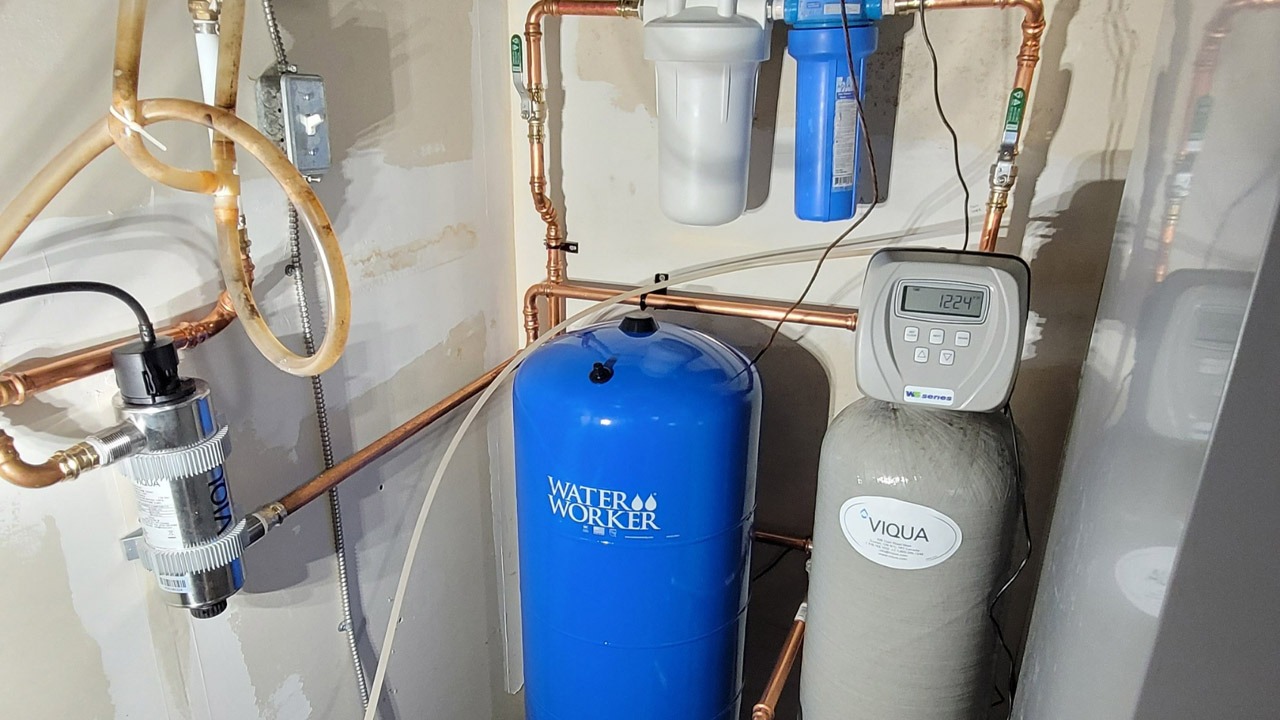
3. Consider Installing a Water Softener
A water softener may be worth considering if mineral buildup is persistent, you’re using excessive amounts of soap, or scale is affecting multiple fixtures and appliances.
Most conventional residential water softeners use ion exchange to remove calcium and magnesium hardness minerals from the water.
Potential benefits include:
- Less limescale buildup on faucets, showerheads, and other fixtures.
- Reduced mineral deposits in compatible water-using appliances.
- Improved soap lathering and reduced soap scum.
- Less frequent cleaning of mineral stains.
However, not every Hamilton home needs a water softener.
Before purchasing a system, it’s worth measuring your actual water hardness and considering the installation cost, ongoing salt use, maintenance requirements, and available space.
4. Maintain Your Plumbing Fixtures
Mineral buildup can sometimes restrict water flow through faucet aerators and showerheads.
Cleaning or replacing affected aerators may help restore normal flow.
If reduced water pressure continues after cleaning, the cause could be unrelated to hard water. Plumbing leaks, partially closed valves, or other restrictions can produce similar symptoms.
A qualified plumber can help determine whether the issue involves mineral deposits or another plumbing problem.
5. Choose a Solution Based on Your Water Hardness
The best approach depends on how hard your water actually is and whether it’s causing noticeable problems.
For some Hamilton homeowners, occasional descaling and routine maintenance are sufficient.
Others may benefit from a properly sized water softener or targeted plumbing repairs.
Before investing in equipment, identify the problem you’re trying to solve. A water softener can reduce hardness minerals, but it won’t repair damaged plumbing or resolve every water quality concern.
If you’re unsure whether mineral buildup is affecting your fixtures or water heater, contact John the Plumber in Hamilton to discuss your plumbing concerns.
Frequently Asked Questions About Hard Water in Hamilton
Does Hamilton, Ontario, have hard water?
Yes. Hamilton’s main municipal drinking water supply is generally considered moderately hard, with hardness around 120 mg/L measured as calcium carbonate (CaCO₃). Water hardness can vary in outlying communities served by different municipal water systems, particularly groundwater sources.
Is Hamilton’s water hard or soft?
Hamilton’s main Lake Ontario water supply falls near the boundary between moderately hard and hard water, depending on the classification system used. This means homeowners may notice mineral deposits on faucets, showerheads, and appliances even though the water is suitable for everyday household use.
Is Hamilton tap water safe to drink if it’s hard?
Hard water is generally safe to drink. Calcium and magnesium are naturally occurring minerals, and water hardness alone doesn’t indicate contamination.
Hamilton’s municipal drinking water is treated and monitored to meet applicable drinking water standards. However, if you notice an unusual smell, colour, or taste, consult the City of Hamilton’s drinking water information or contact the appropriate water utility.
What causes white calcium buildup on faucets?
White, chalky buildup around faucets is usually limescale, a mineral deposit commonly made up of calcium carbonate.
When hard water evaporates or certain dissolved minerals come out of solution, deposits can remain on the surface. Regular cleaning with a fixture-safe descaling product can help remove them.
Can hard water damage my water heater?
Over time, mineral scale can accumulate on water-heating surfaces and reduce heat transfer efficiency. Heavy buildup may contribute to reduced performance or maintenance problems.
However, not every water heater issue is caused by hard water. If you’re experiencing unusual noises, inconsistent hot water, or reduced heating performance, a professional inspection can help identify the cause.
Do I need a water softener in Hamilton?
Not necessarily. Many Hamilton homeowners manage moderate water hardness with routine cleaning and occasional appliance descaling.
A water softener may be worth considering if you’re dealing with persistent scale, excessive soap scum, or recurring mineral deposits throughout your home.
Testing your water hardness before purchasing a system will help you make a more informed decision.
How can I test my water hardness at home?
The easiest approach is to purchase water hardness test strips or a testing kit designed to measure calcium and magnesium hardness.
Follow the manufacturer’s instructions and compare your results with the kit’s hardness scale.
You can also review municipal water quality information published by the City of Hamilton. If you use a private well or need more detailed results, consider professional laboratory testing.
Concerned About Hard Water in Your Hamilton Home?
White mineral deposits, recurring limescale, and water heater problems can be frustrating. While some hard water issues are easy to manage with regular cleaning, others may benefit from a closer look at your plumbing.
If you’re experiencing reduced water flow, unusual water heater noises, or persistent problems with your plumbing fixtures, John the Plumber is here to help.
Our team provides professional plumbing services in Hamilton, including water heater repairs and faucet repairs.
Call John the Plumber at 905-645-0467 or contact our Hamilton plumbing team to discuss your plumbing concerns.