Fast Help for Toilets That Will Not Drain
When the water rises instead of flushing away, stop using the toilet and have the blockage inspected before it overflows onto the floor.

Clogged toilets can be a real drag in everyday life, especially if it’s the only one in your home.
Allowing the professional plumbers of john the plumber can help reduce the stress from this situation with our toilet unclogging and drain cleaning services.
Our friendly dispatching team will gladly take your call and set up the most convenient time to have one of our five-star plumbers come to your house and diagnose your clogged toilet!
Once they have solutions available, they will let you decide on the services you do, or do not want, in your home!
Call John The Plumber Today!
A clogged toilet can go from inconvenient to urgent very quickly. Water may rise after flushing, the bowl may drain slowly, or the toilet may stop flushing altogether. In some cases, the problem is limited to one fixture. In others, a clogged toilet can be the first warning of a deeper drain or sewer line blockage.
When the water rises instead of flushing away, stop using the toilet and have the blockage inspected before it overflows onto the floor.

We determine whether the obstruction is inside the toilet, within the nearby drain or farther along the plumbing system.
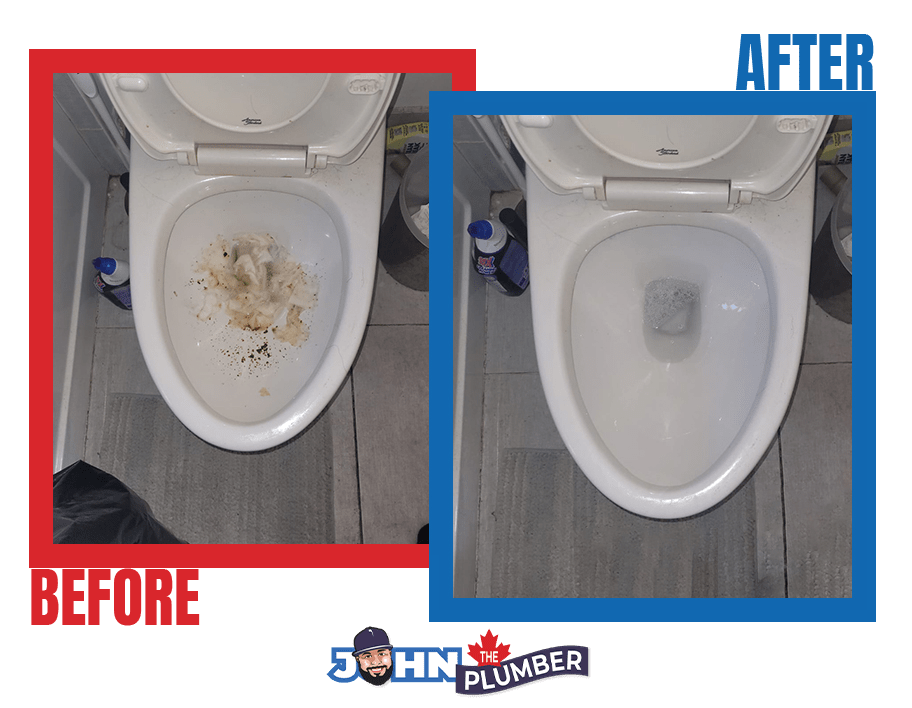
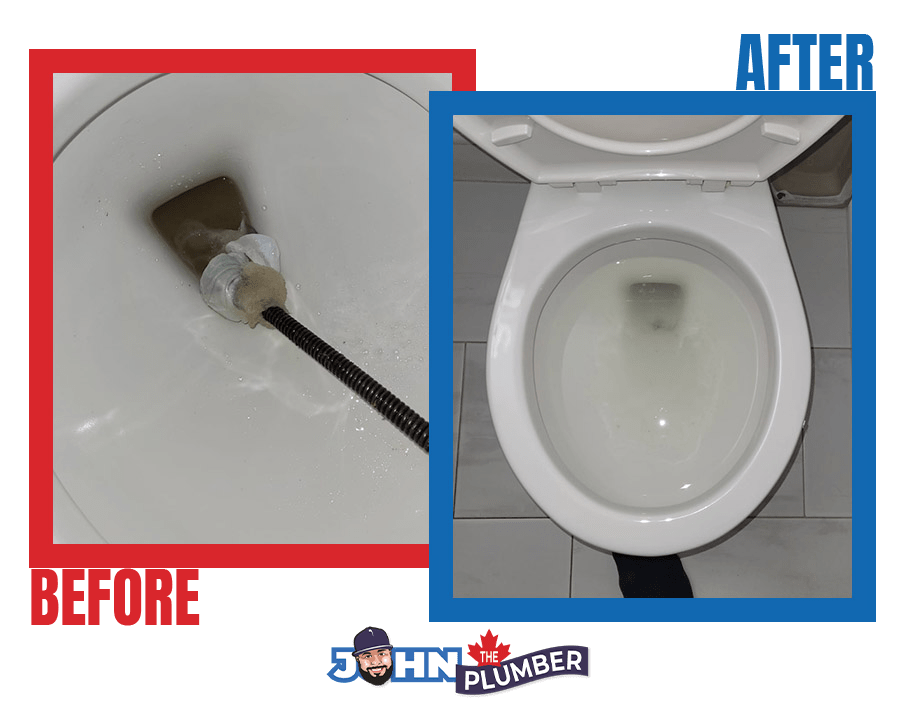
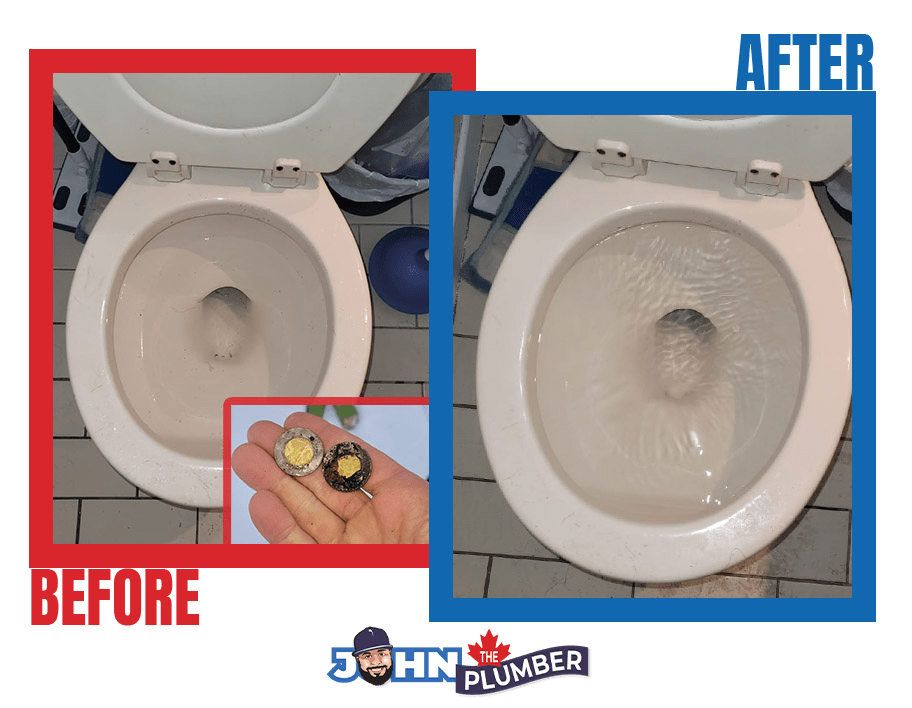
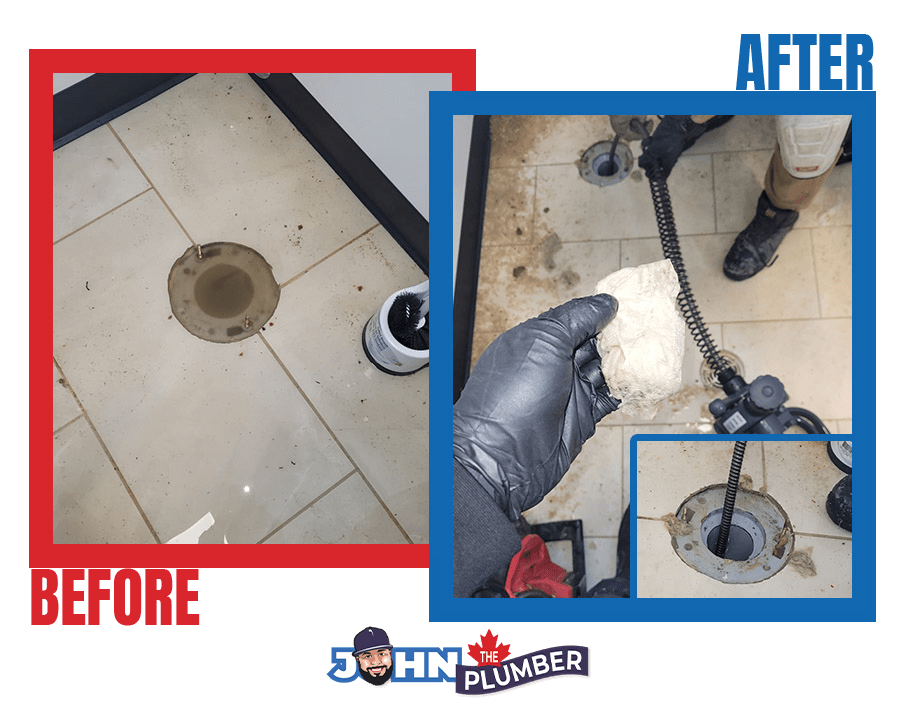
Once the obstruction is removed, the toilet is tested to make sure water flows away correctly and the blockage has been properly cleared.
Some toilet clogs are caused by excess toilet paper or an item lodged inside the fixture. Others form deeper inside a branch drain or the home's main sewer line. The location of the blockage determines how the problem should be handled.
If one toilet is affected and the rest of your plumbing works normally, the clog may be isolated. If nearby sinks gurgle, tubs drain slowly or several toilets back up together, the problem may extend beyond the toilet itself.
John The Plumber provides professional clogged toilet repair and drain cleaning throughout York. Our plumbers inspect the symptoms, locate the likely source of the blockage and recommend the appropriate solution before beginning the work.

One overflowing toilet doesn't always mean you have a major plumbing emergency—but sometimes it does. Recognizing the warning signs can help determine whether the blockage is isolated to one fixture or part of a larger drainage problem affecting your home.
Usually limited to a single toilet.
Most isolated toilet clogs are caused by excessive toilet paper, flushable wipes or an object becoming lodged inside the trapway. These problems are usually confined to one fixture and don't affect the rest of the plumbing system.
The blockage is farther down the drain.
When multiple fixtures in the same bathroom begin acting strangely, the obstruction may be inside the shared branch drain instead of the toilet itself. Professional drain cleaning is often needed to restore proper flow.
A plumbing emergency that needs immediate attention.
When wastewater has nowhere to go, it can begin backing up through the lowest drains in your home. This often indicates a blockage somewhere within the main sewer line and should be inspected as soon as possible.
Many homeowners assume the toilet itself is clogged, but if nearby sinks, showers, tubs or basement floor drains are also draining slowly or backing up, the blockage may actually be deeper within the home's drainage system. Identifying where the problem begins is one of the most important parts of diagnosing a clogged toilet correctly.
Not every clogged toilet has the same cause. Some blockages occur inside the toilet itself, while others develop farther down the drain or sewer line. Understanding what commonly causes toilet clogs can help explain why some toilets clog once while others continue to back up over and over again.
Even toilet paper can clog a drain when large amounts are flushed at once. Thick, ultra-soft paper absorbs water quickly and can compact inside the toilet trap or nearby drain. Older plumbing systems and low-flow toilets may be especially prone to repeated paper-related clogs.
If your toilet frequently fills with water before slowly draining, excess toilet paper may be restricting the flow rather than completely blocking it.
Many wipes are marketed as flushable, but they don't break down nearly as quickly as standard toilet paper. Instead, they can snag on rough pipe surfaces, combine with grease or other debris and gradually create stubborn blockages that become more difficult to remove over time.
Repeated toilet backups are commonly associated with wipes becoming trapped farther inside the drain system.
Small toys, toothbrushes, air fresheners and other household objects can accidentally find their way into a toilet. Unlike paper, these items don't soften in water and can completely obstruct the trapway or drain pipe.
Even if the toilet initially flushes, a foreign object can catch additional debris and eventually create a complete blockage.
Paper towels, cotton swabs, feminine hygiene products, dental floss and similar items should never be flushed down a toilet. These materials are not designed to dissolve in water and can quickly become lodged inside drains.
Many recurring toilet clogs are eventually traced back to products that were never intended to be flushed.
If your toilet backs up along with several other plumbing fixtures, the blockage may not be inside the bathroom at all. Tree roots can enter aging sewer pipes through tiny openings and continue growing until wastewater can no longer flow properly.
This type of blockage often requires professional drain cleaning and further inspection of the sewer line.
Older homes may have drain pipes that have shifted, corroded or partially collapsed over time. These conditions reduce the amount of space available for wastewater to pass through, making toilets more susceptible to recurring blockages.
If your toilet has been clogging for months or years despite previous drain cleaning, the condition of the drainage system itself may need to be evaluated.
A toilet that flushes slowly today can become tomorrow's overflowing emergency. Recurring clogs, bubbling toilets, slow drains or multiple plumbing fixtures acting up at the same time are all signs that the blockage may be growing. Having the problem inspected early can often prevent a much larger drainage issue later.
A toilet may fail to flush because the bowl or trapway is blocked, the water level inside the tank is too low, the flapper is not opening correctly or there is a restriction farther down the drain. If the bowl fills with water but does not drain, a blockage is the most likely cause.
A toilet that fills high before slowly draining usually has a partial blockage. Water can still pass through the restricted opening, but not quickly enough for a normal flush. Partial clogs often worsen as toilet paper, wipes and other debris continue collecting around the obstruction.
Recurring toilet clogs may be caused by excessive toilet paper, wipes, foreign objects, a partially blocked branch drain or a problem with the toilet's flushing performance. If the same toilet repeatedly backs up after being cleared, the blockage may not have been completely removed or there may be an underlying drainage issue.
Stop flushing immediately. If water is still entering the bowl, turn the toilet's shutoff valve clockwise to stop the supply. Avoid using nearby plumbing fixtures until you know whether the blockage is limited to the toilet or located deeper within the drainage system.
Bubbling and gurgling can occur when trapped air is forced through the toilet because water is struggling to move past a blockage. If the toilet gurgles when a sink, bathtub, shower or washing machine drains, the obstruction may be located in a shared branch drain or main sewer line.
An isolated blockage inside one toilet usually does not affect other fixtures. However, a clog farther down a shared drain can cause nearby sinks, tubs or showers to drain slowly, gurgle or back up. Multiple affected fixtures are an important sign that the problem may extend beyond the toilet.
Possible warning signs include several toilets backing up, water appearing in a bathtub or shower when another fixture is used, basement floor drains overflowing, widespread gurgling and strong sewage odours. A main sewer line blockage should be professionally inspected as soon as possible.
Many wipes labelled flushable do not break apart as quickly as toilet paper. They can remain intact inside the drain, catch on pipe surfaces and combine with other debris to form stubborn blockages. Toilet paper and human waste are generally the only materials that should be flushed.
Yes. Large amounts of toilet paper can compact inside the toilet trap or nearby drain, especially when thick paper is flushed all at once. Older toilets, low-flow models and drains with existing buildup may be more susceptible to paper-related clogs.
A toilet plunger may clear a simple obstruction located near the bowl or trapway. It may not remove wipes, foreign objects or blockages located farther down the drain. Stop plunging if the toilet begins leaking, wastewater appears in another fixture or the blockage repeatedly returns.
Chemical drain cleaners are generally not recommended for toilets. They may remain trapped inside the bowl or drain, damage plumbing components and expose anyone working on the blockage to harsh chemicals. Professional mechanical drain cleaning is usually a safer and more effective option.
Yes. Toys, air fresheners, toothbrushes and other small objects can become lodged inside the toilet trapway. These items do not dissolve and may need to be professionally removed. Continuing to flush can push the object deeper into the drainage system.
Water backing up into a bathtub or shower usually indicates that the blockage is located beyond the toilet in a shared drain. Wastewater follows the easiest available path and may return through a lower fixture when it cannot move through the blocked pipe.
Call a plumber if the toilet repeatedly clogs, overflows, will not drain, gurgles when other fixtures are used or causes water to back up elsewhere in the home. You should also arrange professional service if a foreign object may have been flushed or several drains are affected at the same time.
Whether your toilet won't flush, keeps clogging, is overflowing or appears to be backing up because of a larger drain problem, John The Plumber is ready to help. Our licensed plumbers identify the source of the blockage, explain what they find and provide professional drain cleaning solutions to restore proper drainage as quickly as possible.
We determine whether the blockage is inside the toilet, within a branch drain or farther down the main drainage system.
Professional workmanship, honest recommendations and dependable service backed by years of plumbing experience.
From simple toilet clogs to more complex drain issues, we're ready to restore your plumbing and get things flowing again.
Proudly serving homeowners throughout York and surrounding Toronto neighbourhoods with professional plumbing and drain cleaning services.
We use cookies to improve your experience and analyze traffic.