


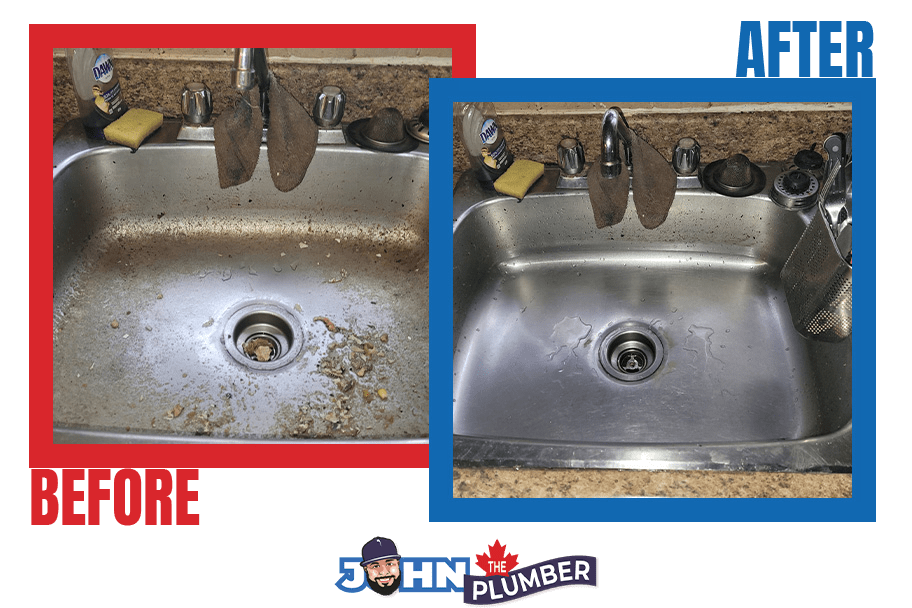
Our staff is standing by to take your call and is eager to assist you with unclogging your kitchen sink!
We have availability for same-day service as well as weekend service, so we always have you covered!
Don’t let a clogged kitchen sink ruin your mood, trust John the Plumber to have your sink back up and running like new in no time.
Call now to have a licensed and insured plumber at your home sooner than you expect, and discover why John The Plumber is taking the quality of plumber services in York to the next level.
Kitchen sink drains rarely clog overnight. Most blockages develop gradually as grease, food particles and everyday kitchen waste collect along the inside of the drain pipe. Understanding what causes these clogs can help prevent future plumbing problems and extend the life of your drainage system.
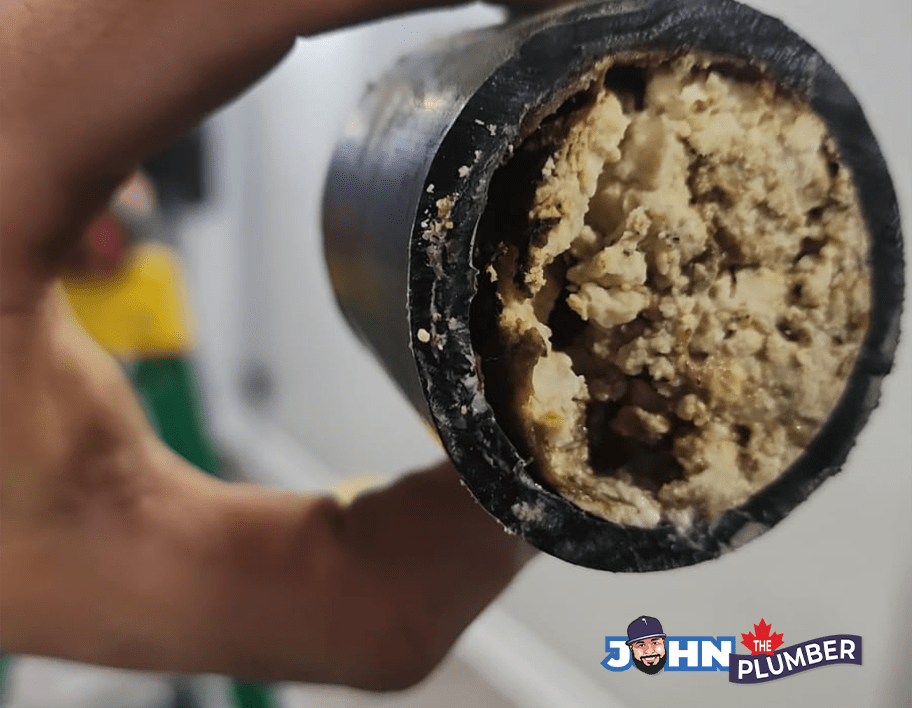
Even homeowners who are careful about what goes down the sink can experience buildup over time. Grease, soap residue and food particles slowly stick to the inside of the pipe, reducing water flow until the sink begins draining slowly or stops altogether. Professional drain cleaning removes these obstructions before they turn into larger plumbing problems.
Liquid grease may seem harmless while it's warm, but once it cools inside the drain it hardens into a sticky coating that traps food particles and gradually creates stubborn blockages.
Rice, pasta, vegetable peelings, coffee grounds and small food particles can collect inside the drain where they combine with grease and soap residue to restrict water flow.
Dish soap mixes with grease and minerals from the water supply, gradually leaving behind a sticky film that narrows the inside of the drain pipe.
Foods like potatoes, rice and pasta absorb water and expand, making them one of the most common causes of slow kitchen sink drains and recurring clogs.
Instead of pouring grease or cooking oils down the sink, allow them to cool and dispose of them in the garbage. Combining this simple habit with using a sink strainer can significantly reduce buildup inside your kitchen drain and help prevent future blockages.

Some of the neighbours we proudly service include:
Glen Long – Maple Leaf – North Park – Amesbury – North Fairbank, Fairbank – Belgravia Lawrence Heights – Yorkdale – York – North York – Winston Park – Downsview – Rustic – Greenhills – Amesbury – Beechborough – Silverthorn – Caledonia – Cedarvale – Forest Hill – Caribou Park – Ancaster – Harwood – Nortown – Davenport – Deer Park – Rosedale – Koreatown – Runnymeed – Rockcliffe Smythe – Jane and Finch – Humbermede – Humber Valley Village – Richview – Weston — Oakridge – Dorset Park – Bayview Village.
Our local York plumbers are committed to serving these areas with expertise and dedication. We also ensure quick response times for emergency services specifically in downtown Toronto, addressing urgent issues within a one-hour timeframe.
A sink strainer, plunger and careful P-trap cleaning may solve a small blockage near the sink. Stop and call a plumber if the clog keeps returning, affects multiple drains or appears to be deeper inside the drain line.
Call (416) 304-6851Combining chemical cleaners—or adding another product after the first one fails—can create dangerous reactions and expose whoever opens the drain to corrosive liquid.
Begin by removing standing water and checking the sink strainer for visible food or debris. You can then try a properly fitted sink plunger. If the clog appears to be directly beneath the sink and you are comfortable doing so, place a bucket under the P-trap before carefully removing and cleaning it.
Stop if the plumbing is corroded, the fittings will not loosen easily or you are unsure how to reinstall the trap without causing a leak.
Hot water may help loosen a light coating of grease, but it will not reliably clear a solid or deep blockage. Very hot or boiling water may also be unsuitable for some plastic piping, older plumbing systems or sinks made from materials that can be damaged by sudden temperature changes.
It should not be poured into a drain that already contains chemical cleaner.
Baking soda and vinegar may freshen the drain or loosen minor surface residue, but the foaming reaction is usually not powerful enough to remove a substantial grease or food blockage. It may be worth trying on a mildly sluggish drain, but recurring or complete clogs usually require mechanical cleaning.
Chemical drain cleaners may produce heat and contain highly corrosive ingredients. They can damage certain pipes, seals and finishes, especially when used repeatedly or left sitting in a blocked drain. They may also push through a small opening without removing the grease and debris coating the rest of the pipe, allowing the clog to return.
The remaining chemical can also create a safety hazard for homeowners and plumbers who later need to open the trap or work on the drain.
Do not add another drain cleaner, bleach, ammonia, vinegar or any other chemical. Avoid plunging aggressively because the liquid could splash back. Keep children and pets away from the sink, ventilate the room and tell the plumber exactly which product was used and approximately when it was poured into the drain.
A small hand-operated drain snake may remove a blockage close to the sink, but it must be used carefully. Forcing the cable can damage fittings, become stuck inside the pipe or push the obstruction farther into the drainage system. Motorized drain-cleaning equipment is best left to a trained plumber.
Recurring kitchen sink clogs often mean the blockage was only partially opened rather than fully removed. Grease, oils, soap residue, coffee grounds and food particles may still be coating the inside of the pipe. Repeated clogs can also indicate an improperly sloped drain, a restricted branch line or another plumbing issue that requires inspection.
Both bowls usually connect to the same drain assembly. When that shared pipe becomes restricted, water entering one bowl may rise into the other. A garbage disposal, dishwasher connection or blockage in the P-trap can also contribute to the problem.
The dishwasher normally drains into the kitchen sink plumbing or garbage disposal. Water backing up during a dishwasher cycle can indicate a blocked sink drain, clogged disposal connection, restricted P-trap or an installation issue with the dishwasher drain hose.
Call a plumber when the sink will not drain, the clog quickly returns, both bowls are affected, water backs up from the dishwasher, multiple fixtures drain slowly or you notice gurgling and sewer odours. These signs can indicate a blockage beyond the P-trap or a problem within a larger section of the drainage system.
Whether your kitchen sink is draining slowly, backing up or completely blocked, John The Plumber is ready to help. Our licensed plumbers remove stubborn drain blockages safely and professionally, helping restore proper drainage without relying on harsh chemical cleaners.
We use cookies to improve your experience and analyze traffic.