


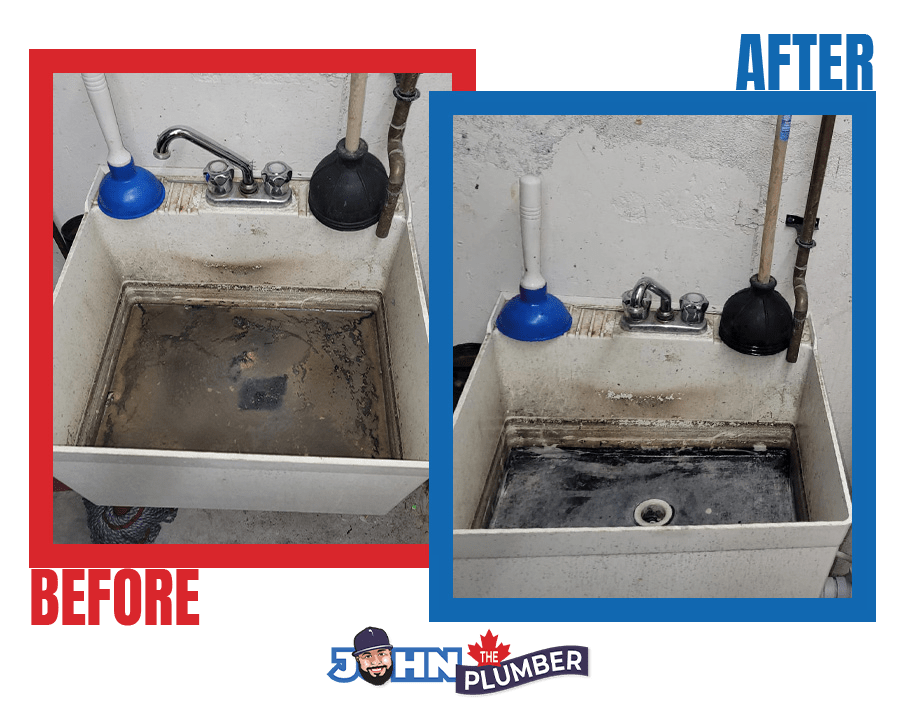
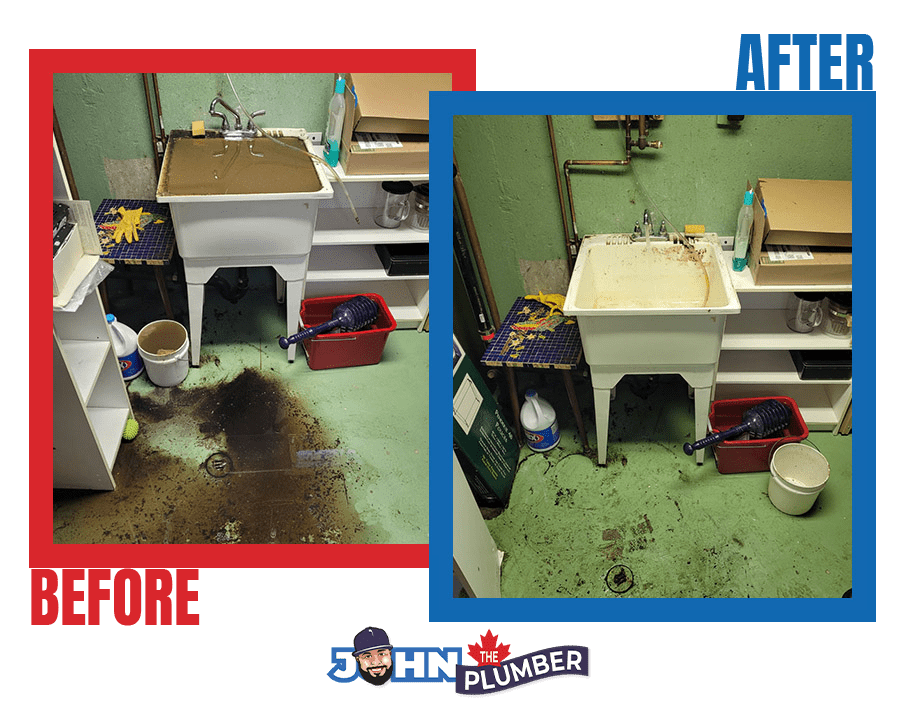
Laundry sinks are designed to handle more than just water. Over time they collect lint, dirt, soap residue and other debris that gradually builds up inside the drain. Unlike a kitchen sink, these clogs often develop from everyday cleaning and household maintenance rather than food waste.
Whether your laundry sink is draining slowly, backing up or completely blocked, professional drain cleaning removes the buildup and restores proper drainage without damaging your plumbing.
Washing machines release tiny fibres during every cycle. Over time this lint settles inside the drain where it catches additional debris and gradually restricts water flow.
Laundry sinks are often used to rinse muddy boots, paint supplies, gardening tools and cleaning equipment. Dirt and sediment can settle inside the drain and eventually create stubborn blockages.
Laundry detergents and cleaning products leave behind residue that combines with lint and minerals from the water supply, slowly narrowing the inside of the drain pipe.
Bathing pets or cleaning pet accessories in the laundry sink introduces hair that easily wraps around lint and soap buildup, creating difficult clogs.
Our plumbers identify where the blockage is located and use professional equipment to safely remove the obstruction without relying on harsh chemical drain cleaners.
We determine whether the clog is isolated to the sink or part of a larger drainage problem before recommending the best solution.
Our equipment removes lint, soap buildup and debris from inside the pipe instead of simply creating a small opening through the blockage.
If recurring clogs are caused by damaged piping, improper drainage or other plumbing issues, we'll explain your options and recommend the appropriate repair.
We believe in clear communication, upfront recommendations and treating your home with respect from start to finish.
From slow-draining utility sinks to completely blocked laundry room drains, John The Plumber provides professional clogged laundry sink drain cleaning throughout York.

Some of the neighbours we proudly service include:
Glen Long – Maple Leaf – North Park – Amesbury – North Fairbank, Fairbank – Belgravia Lawrence Heights – Yorkdale – York – North York – Winston Park – Downsview – Rustic – Greenhills – Amesbury – Beechborough – Silverthorn – Caledonia – Cedarvale – Forest Hill – Caribou Park – Ancaster – Harwood – Nortown – Davenport – Deer Park – Rosedale – Koreatown – Runnymeed – Rockcliffe Smythe – Jane and Finch – Humbermede – Humber Valley Village – Richview – Weston — Oakridge – Dorset Park – Bayview Village.
Our local York plumbers are committed to serving these areas with expertise and dedication. We also ensure quick response times for emergency services specifically in downtown Toronto, addressing urgent issues within a one-hour timeframe.
A simple laundry sink strainer can help catch lint, pet hair and larger debris before it enters the drain. Emptying it regularly can greatly reduce the chance of recurring clogs.
Call (416) 304-6851Laundry sink drains commonly clog because of lint, soap residue, dirt, mud, pet hair and debris washed from tools, boots or cleaning supplies. These materials can collect inside the P-trap or farther along the drain line until water flow becomes restricted.
Yes. If your washing machine drains into the laundry sink, small fabric fibres can enter the drain during every wash cycle. Lint combines easily with soap residue and other debris, creating a dense blockage over time.
Using a lint-catching filter or mesh sleeve on the washing machine discharge hose may help reduce buildup.
A laundry sink may fill or overflow during the washing machine drain cycle when the sink drain cannot handle the volume of water being discharged. This is often caused by a partial blockage in the P-trap, branch drain or main laundry drain line.
Because washing machines release water quickly, even a moderately restricted drain can back up during the cycle.
You can begin by removing visible debris from the sink strainer and trying a properly fitted sink plunger. If the blockage appears to be directly below the sink and you are comfortable working with plumbing, you may carefully remove and clean the P-trap after placing a bucket underneath it.
Stop if the fittings are corroded, difficult to loosen or likely to leak when reassembled.
Chemical drain cleaners are generally not the best solution for laundry sink clogs. They may damage certain pipes, seals and finishes, especially when used repeatedly or left sitting inside a fully blocked drain.
They can also create a hazardous situation for anyone who later needs to open the P-trap or work on the drain. Mechanical drain cleaning is usually safer and more effective for removing lint, hair and compacted debris.
Do not add another chemical, bleach, ammonia, vinegar or any other cleaning product. Avoid plunging aggressively because the liquid could splash back.
Keep children and pets away from the sink and tell the plumber which product was used and approximately when it was poured into the drain.
Yes. Pet hair can wrap around lint, soap residue and other debris inside the drain, creating a stubborn blockage. This is especially common when pets, bedding, brushes or grooming supplies are regularly cleaned in the laundry sink.
Bad smells can develop when lint, soap residue, dirt or organic debris becomes trapped inside the drain. Odours may also occur if the P-trap dries out, the drain is partially blocked or there is a venting issue.
Persistent sewer-like smells should be inspected by a plumber.
Recurring clogs often mean the blockage was only partially opened rather than completely removed. Lint and residue may still be coating the inside of the pipe.
Repeated problems may also be caused by an improperly sloped drain, damaged piping, a restricted branch line or a larger blockage elsewhere in the plumbing system.
Call a plumber if the sink will not drain, water backs up during the washing machine cycle, the clog quickly returns, multiple drains are slow or you notice gurgling, leaks or sewer odours.
These signs may indicate that the blockage is deeper than the P-trap or connected to a larger drainage problem.
Whether your laundry sink drains slowly, overflows during the washing machine cycle or is completely blocked, John The Plumber is here to help. We'll locate the cause of the clog, remove the blockage safely and get your laundry room back to normal as quickly as possible.
We use cookies to improve your experience and analyze traffic.