


Standing in a pool of water every time you shower? A slow or clogged shower drain can turn a normal shower into a frustrating mess.
John The Plumber & Drain Cleaning provides professional clogged shower drain service in Hamilton. Whether the shower is draining slowly, holding standing water or repeatedly clogging, our plumbers can investigate the drainage problem and determine an appropriate way to clear it. We also provide professional drain cleaning services for other drains throughout the home.
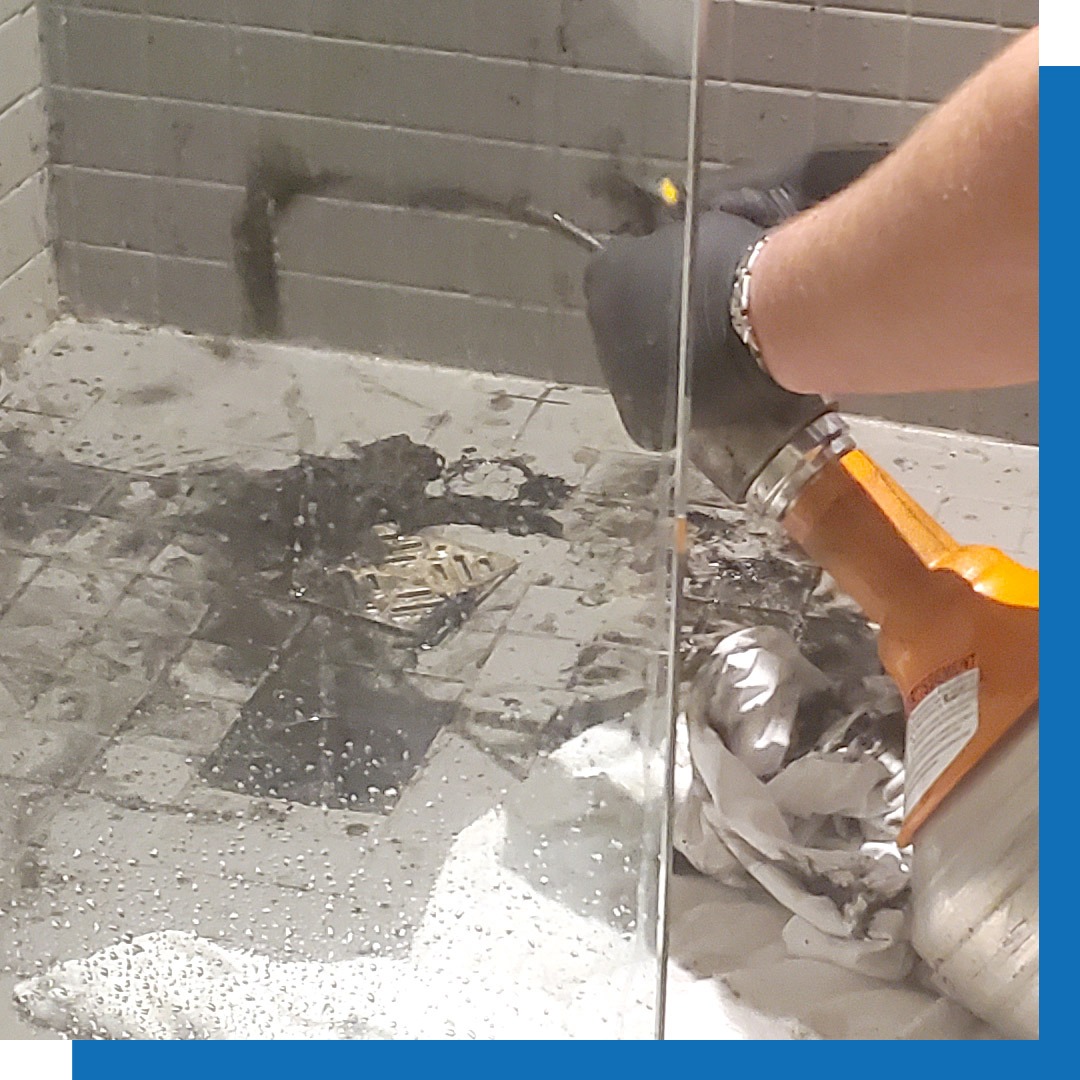
If the shower is acting up along with a toilet, bathroom sink, floor drain or another fixture, mention all of the symptoms. The drainage problem may extend beyond the shower itself.
Shower drains deal with hair, soap, body-care products and everything else carried away with the water. Over time, material can collect within the drain and reduce how freely water can move.
The exact drain arrangement depends on the bathroom. A bathtub-and-shower combination, walk-in shower, standalone shower enclosure or other shower configuration may have a different drain setup, so the location and cause of a restriction can vary.
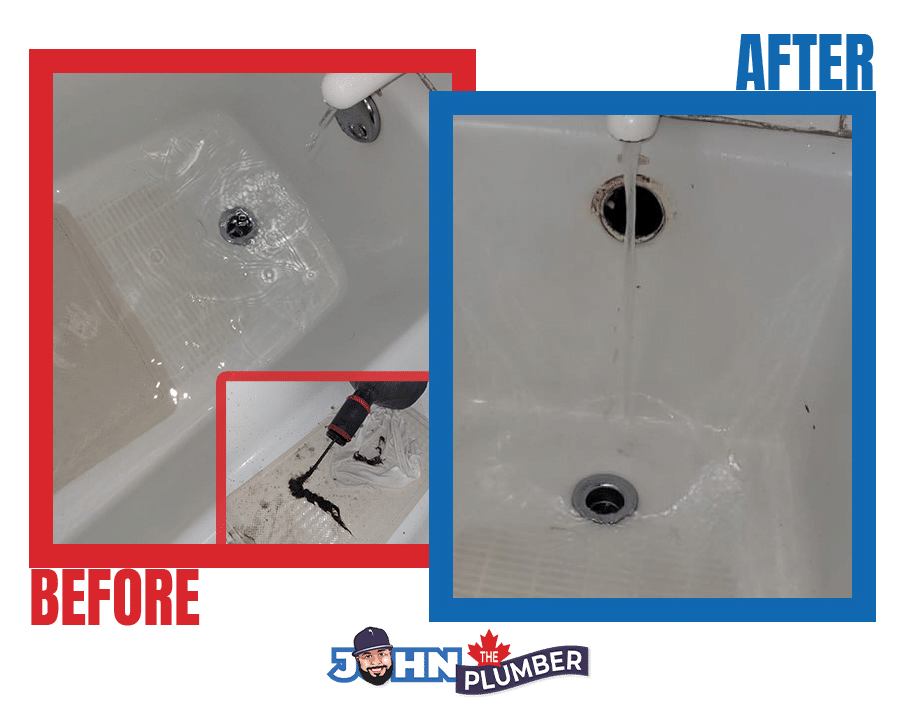
Shower drainage problems can involve material collected within the drain opening and connected piping.
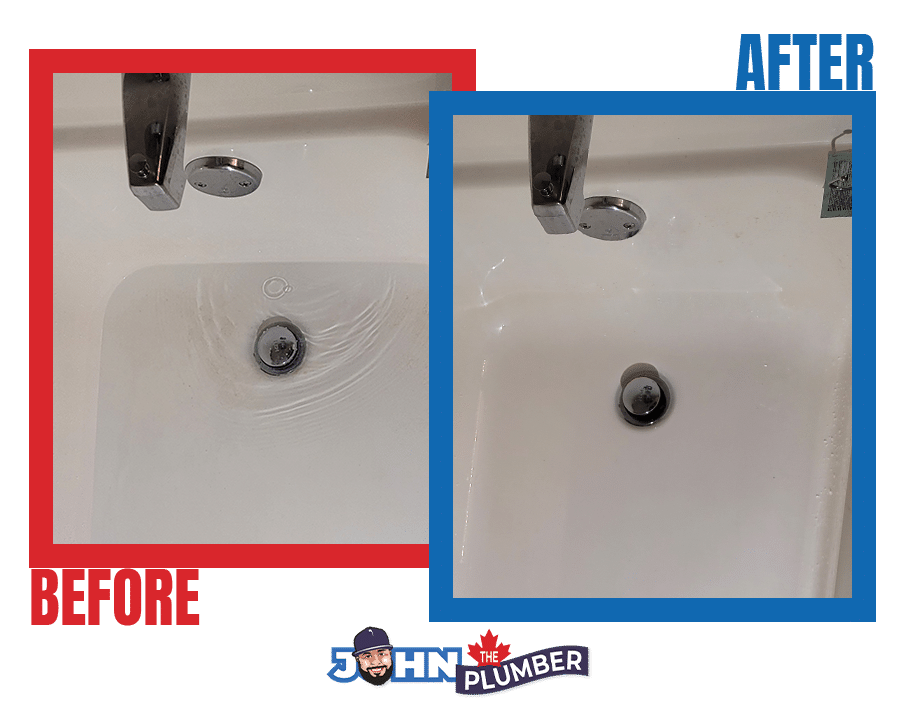
Combination tub and shower fixtures can develop the same slow-drain and standing-water symptoms as other shower configurations.
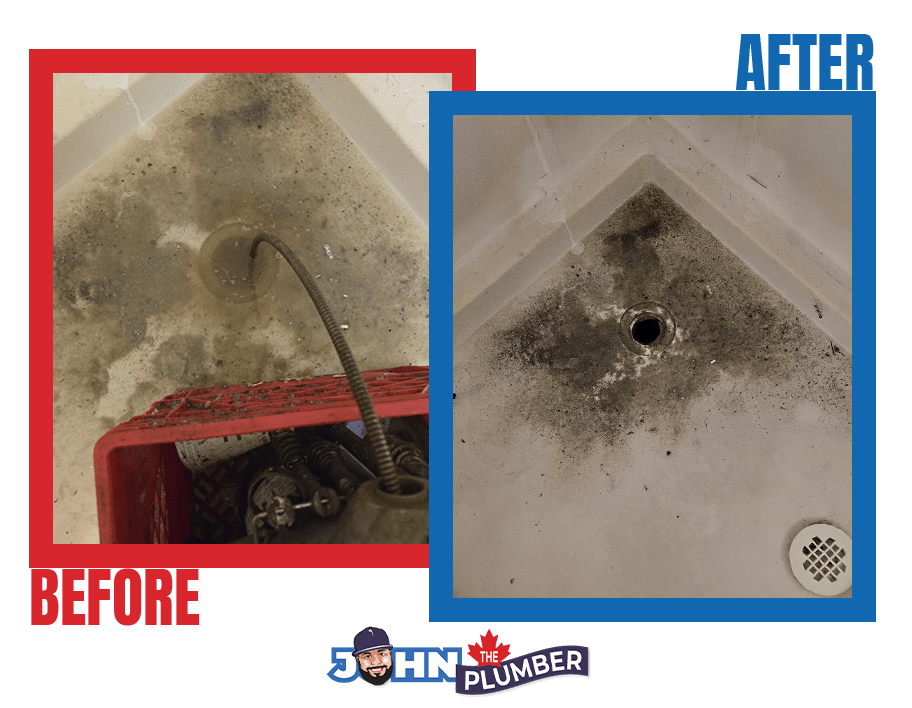
A shower-floor drain can become slow or clogged even when there is no bathtub involved.
Whether you have a tub-and-shower combination, a walk-in shower, a standalone shower enclosure or another shower configuration, noticeably slow drainage or standing water is a sign that the drain may need attention.
Hair can collect around the drain opening and within the connected piping, where it can catch additional material and gradually restrict water flow.
Soap, shampoo, conditioner and other products can contribute residue to the drain. Combined with hair and other material, that buildup can make drainage progressively slower.
Sometimes the restriction is relatively close to the shower itself, with hair and debris collecting around or just beyond the drain opening.
Material can also collect farther into the connected piping, meaning the shower may continue to drain poorly even when the visible drain opening looks relatively clear.
If the shower improves temporarily and then becomes slow again, there may still be material within the drain or another drainage issue that needs further investigation.
A shower can sometimes be where you first notice a drainage problem even though the restriction is farther along the connected system — especially when other bathroom fixtures are showing symptoms too.
If the shower is slow or backing up while other fixtures are also draining poorly, gurgling or backing up, tell the plumber about the entire pattern. Multiple affected fixtures can point to a drainage problem beyond the shower drain itself.
A shower drain problem doesn't always begin with water that refuses to move. Sometimes the first warning is simply that the water takes longer than usual to disappear.
Water still makes its way down the drain, but not as quickly as it should. You may first notice water collecting around your feet and then disappearing after the shower is turned off.
A more severe restriction can leave water standing in the shower or tub for an extended period. The drain may move very little water or appear completely blocked.
Drainage symptoms can change for different reasons, and some restrictions remain slow rather than becoming completely blocked. The important clue is a noticeable change from how the shower normally drains — particularly when the problem keeps returning or continues to worsen.
Multiple fixtures showing drainage symptoms can suggest that the problem extends beyond an isolated shower clog. Tell the plumber which fixtures are affected and whether the symptoms happen at the same time.
Clearing a shower drain isn't about automatically reaching for one particular tool. The first step is understanding the symptoms, the shower setup and where the drainage problem is likely to be located.
We start with what the shower is actually doing. Is the water simply draining slower than normal, pooling while the shower runs, remaining after the water is turned off or refusing to drain altogether?
A tub-and-shower combination, walk-in shower and standalone shower enclosure can have different drain arrangements and access. We consider the fixture and accessible drainage before deciding how to proceed.
Hair or other material may be collected close to the shower drain, but the restriction can also be farther along the connected piping. Symptoms from nearby fixtures can provide additional clues about whether the problem is isolated to the shower.
Once the problem has been assessed, the plumber can choose an appropriate way to address the restriction. The method used depends on factors such as where the blockage appears to be, the type of material involved, available access and the condition of the connected drain piping.
After the restriction has been addressed, the drainage can be checked again to see whether water is moving away normally and whether the original slow-drain or standing-water symptoms have improved.
Drain snaking is one method that may be appropriate in some situations, but it isn't the automatic answer for every clogged shower. The plumber can determine what makes sense after considering the symptoms, drain arrangement, access and likely location of the restriction.
A shower that drains normally after a clog is cleared and then gradually becomes slow again is worth paying attention to. Recurring symptoms can mean material is continuing to collect, part of the original restriction remains, or the drainage problem may be farther along the connected piping.
If the shower keeps becoming slow again, how quickly the symptoms return and what else is happening in the bathroom can help build a better picture of the drainage problem.
The visible shower drain is where you notice the water collecting, but that does not necessarily tell you exactly where the restriction is located.
Tell the plumber whether the shower worked normally for hours, days, weeks or months before becoming slow again. That history can be useful when investigating a recurring drainage problem.
Shower drains continually receive hair, soap and body-care residue. New material can gradually collect and create another restriction.
Material may be located deeper within the connected piping rather than only around the visible shower drain.
A bathroom sink, toilet or other nearby fixture that is also slow, gurgling or backing up can suggest the problem is not isolated to the shower.
When the same drainage symptoms repeatedly return, additional investigation may help determine why the problem keeps happening rather than assuming every clog has exactly the same cause.
In some situations, a drain camera inspection may be useful when a drainage problem keeps returning or the symptoms suggest an issue farther along an accessible drain or sewer line. Whether a camera is appropriate depends on the plumbing, available access and the part of the drainage system being investigated.
If the shower keeps clogging and other drains are also slow or backing up, mention every affected fixture when you call. The pattern can help distinguish an isolated shower problem from a broader drainage issue.
John The Plumber & Drain Cleaning provides professional shower drain cleaning across Hamilton for slow drains, standing water, recurring clogs and other shower drainage problems.
From tub-and-shower combinations to walk-in and standalone showers, our Hamilton plumbers can investigate clogged and slow shower drains throughout the service area. These are examples of communities we serve — call to confirm current availability for your location.
If the shower is slow or backing up along with the bathroom sink, toilet or another fixture, mention those symptoms too. That information can help give the plumber a better picture of the drainage problem.
Tub-and-shower combination, walk-in shower or standalone enclosure — different bathroom setups can experience many of the same slow-drain, standing-water and recurring-clog symptoms.
One fixture used for both bathing and showering.
Shower-floor drains without a traditional bathtub.
Separate shower enclosures with their own drain setup.
Yes. Shower drainage problems can occur in bathtub-and-shower combinations, walk-in showers, standalone shower enclosures and other shower configurations. The fixture design, drain arrangement and available access can differ, so the plumber considers the individual setup when determining how to investigate and address the clog.
Hair is a common contributor because it can collect within the drain and catch additional material. Soap, shampoo, conditioner, body-care residue and other debris can also contribute to buildup. In some cases, the restriction is close to the shower drain; in others, it may be farther along the connected piping.
A partial restriction can reduce how quickly water moves through the drain without stopping it completely. You may notice water pooling around your feet while the shower is running and then slowly disappearing afterward. A slow shower drain does not automatically become fully blocked, but a noticeable or recurring change in drainage is worth investigating.
Standing water can occur when the drain cannot carry water away as quickly as it is entering the fixture. A significant restriction may leave water in a walk-in shower, standalone shower or bathtub-shower combination even after the water is turned off. The location and cause of the restriction need to be determined rather than assuming it is directly beneath the visible drain opening.
No. Drain snaking is one method that may be appropriate for some shower clogs, but there is no single clearing method that automatically applies to every shower drain. The plumber can consider the symptoms, fixture and drain setup, available access and likely location of the restriction before deciding how to proceed.
Recurring shower clogs can happen when new hair and residue continue to collect, when material remains farther within the connected piping or when another drainage issue is contributing to the symptoms. Tell the plumber how long the shower remained clear before becoming slow or clogged again, as that history can be useful when investigating a recurring problem.
When multiple bathroom fixtures are slow, gurgling or backing up, the drainage problem may extend beyond an isolated shower clog. Tell the plumber which fixtures are affected and whether the symptoms happen at the same time. Our drain backup service covers drainage problems involving more than a single fixture.
A drain camera inspection may be useful in some recurring drainage situations when more information is needed about an accessible drain or sewer line. Whether a camera can help depends on the plumbing layout, available access and the part of the drainage system being investigated; it is not automatically required for every clogged shower.
Slow drainage, standing water, recurring clogs, gurgling and problems affecting several fixtures can provide useful clues when our Hamilton team investigates the drainage problem.
Slow drain, standing water or the same shower clog coming back again?
John The Plumber & Drain Cleaning provides professional clogged shower drain service in Hamilton. Whether you have a tub-and-shower combination, walk-in shower, standalone shower enclosure or another shower configuration, our team can investigate the drainage problem and determine an appropriate way to address it.

We use cookies to improve your experience and analyze traffic.