


3 Ways to Manually Flush a Toilet
(Even Without Running Water)
A working toilet is easy to take for granted until it stops flushing. Normally, pressing the handle sends water from the tank into the bowl, clearing waste through the drain. When the toilet won’t flush, it can feel like a plumbing emergency.
Fortunately, you can still keep your bathroom functional by flushing manually. The three most reliable methods are pouring a bucket of water into the bowl, filling the tank with water, or lifting the flapper valve inside the tank. In this guide, you’ll also learn why toilets stop flushing, what not to do, typical repair costs, and when to call a professional plumber.
Three Manual Flushing Methods
When a toilet will not flush with the handle, there are still ways to move waste through the bowl. These three manual flushing methods are effective in most situations.
Method One: Pouring Water Directly into the Toilet Bowl
Filling and pouring a bucket of water directly into the bowl is the simplest method for manually flushing a toilet. This method works even if there is no running water in the house.
To perform this method, fill a bucket with at least one gallon of water. Position yourself over the bowl and begin pouring slowly at first. Once the water is partially in, quickly dump the remaining water into the toilet bowl. The sudden rush of water forces waste through the pipes, creating a flush effect similar to normal operation.
Older toilets may require more water, sometimes up to three to five gallons, but most modern toilets will flush properly with about two gallons. If there is remaining waste after the first attempt, repeat the process with more water until the bowl is clear.
Method Two: Adding Water to the Toilet Tank
If the toilet tank is not filling properly but the handle and other parts are working, you can manually fill the tank to flush the toilet.
Begin by removing the toilet tank lid and checking the water level. Use a bucket to pour water into the tank until it reaches the water line, usually marked just below the overflow tube. Once the tank is filled to the correct water level, press the flush handle. If the internal parts are working correctly, the toilet should flush as usual.
This method is particularly useful when the fill valve is faulty, the water supply is temporarily shut off, or the toilet tank fills too slowly to flush properly.
Method Three: Lifting the Flapper Valve Manually
If the flush handle or lift chain is disconnected, you can flush the toilet by manually lifting the flapper.
Remove the toilet tank lid and locate the rubber flapper at the bottom of the tank. If the chain is loose or disconnected, grab it and pull upward. This action lifts the flapper and releases the water in the tank into the bowl, producing a flush. Once the water drains, release the flapper so it can reseal and allow the tank to begin filling again, provided the water supply is running.
Although this method can be less convenient, it is an effective temporary fix until the chain or handle arm can be repaired or replaced.
Manual Flushing Methods at a Glance
| Method | When to Use | Steps (Condensed) | Notes |
|---|---|---|---|
| Bucket into Bowl | Handle/chain failure, tank not filling, water supply shut | Fill a bucket with 1–2 gallons; pour slowly to start, then dump water quickly into the bowl | Creates siphon effect; older toilets may need 3–5 gallons |
| Fill the Tank | Parts work but no refill from supply | Remove tank lid; fill to water line (just below overflow tube); press handle | Useful if fill valve failed or supply is shut temporarily |
| Lift the Flapper | Handle/chain disconnected or broken | Remove lid; pull lift chain or raise rubber flapper to release tank water | Replace or reattach chain/handle arm after the flush |
Why Your Toilet May Not Flush Properly
Clogged Toilet
The most common reason a toilet does not flush correctly is a clog. Too much toilet paper, hygiene products, or foreign objects can block the drain, preventing waste from flowing. Sometimes a plunger can resolve a clogged toilet, but more serious blockages may require professional equipment and a plumber’s expertise.
Low Water Level in the Tank
When the water level in the tank is too low, the toilet cannot flush with enough force to move waste through the pipes. This is often caused by a faulty fill valve, a shut-off water supply, or an improperly adjusted float. Without enough water, the toilet bowl does not receive the pressure needed for flushing correctly.
Faulty Flapper Valve
The flapper valve, also known as the rubber flapper, is located at the bottom of the tank and plays a crucial role in sealing and releasing water. If the flapper is warped, cracked, or loose, it will not seal properly, resulting in a leaking toilet or an incomplete flush. A faulty flapper is one of the most common toilet problems and should be replaced promptly to restore the toilet to proper working order.
Lift Chain and Handle Problems
The lift chain connects the flush handle to the flapper valve. If the chain is too loose, disconnected, or broken, pressing the handle will not lift the flapper. This simple mechanical problem is easy to fix but requires reattachment. Until it is resolved, the toilet will not flush properly with the handle in place.
Toilets Without a Working Water Supply
When the water supply is shut off for repairs or emergencies, the toilet tank will not fill. In these cases, pouring water into the bowl or tank is the only way to flush. Keeping extra water stored in buckets or containers can be useful during plumbing emergencies.
What Not to Do When Manually Flushing a Toilet
It is important to avoid common mistakes when using manual flushing methods. Pouring too little water into the bowl will not create enough pressure to clear the pipes. Using too much toilet paper during manual flushing can cause clogs, especially when there is less water available. Never pour chemicals into the toilet bowl in an attempt to clear a clog, as they can damage pipes and make plumbing repairs more difficult.
How Much Does It Cost to Fix a Toilet That Will Not Flush?
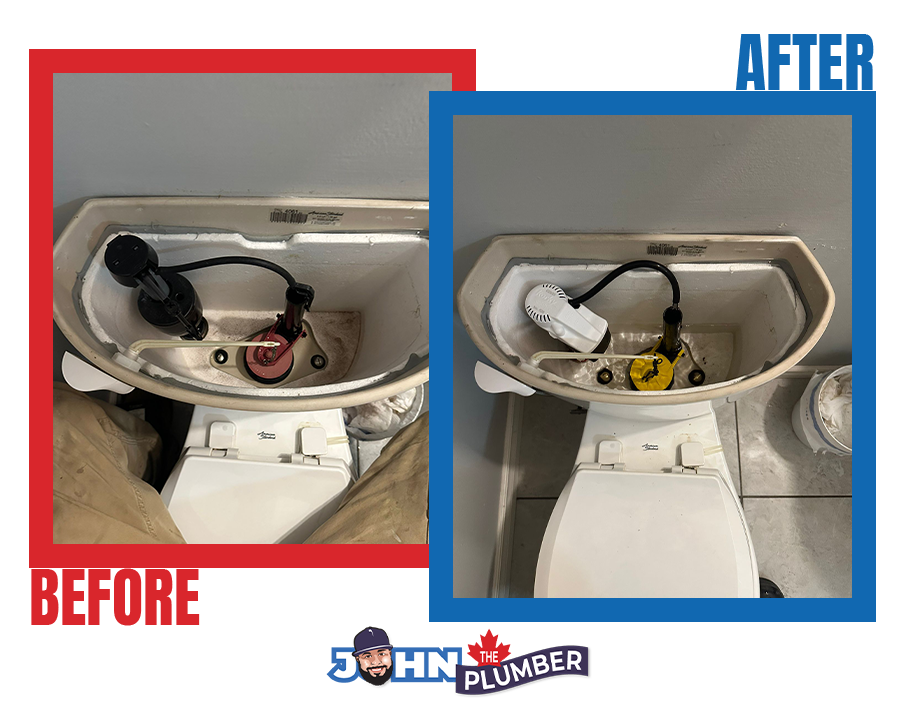
The cost of fixing a toilet that will not flush depends on the specific problem. Minor adjustments such as reconnecting a lift chain or replacing a flapper valve are usually inexpensive, often ranging from $200 to $350.
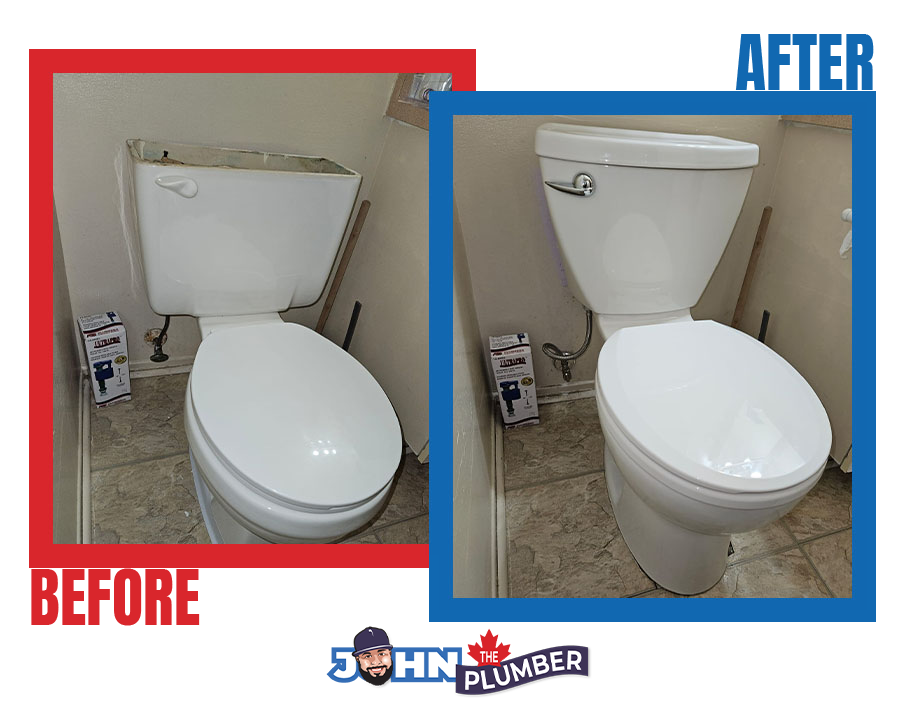
More complex issues, such as replacing a fill valve, repairing a flush valve, or clearing a clogged drain, typically fall within the range of $250 to $350. In cases where a new valve needs to be installed or a professional plumber must remove a severe blockage, costs can range from $350 to $700 or more, depending on the severity of the plumbing problem.
Every house is different, and the total price depends on the parts required, labor rates, and the extent of the repairs. For the most accurate estimate, it is always best to contact a professional plumber to inspect the toilet and provide a tailored quote.
Typical Repair Costs (CAD)
Below is a breakdown of typical costs for common toilet repairs in Canada:
| Problem | Typical Fix | DIY Feasibility | Estimated Range |
|---|---|---|---|
| Lift chain loose/disconnected | Reattach or adjust chain | High | $200–$350 |
| Faulty or warped flapper | Replace rubber flapper | High | $200–$350 |
| Fill valve not filling properly | Replace or adjust fill valve | Moderate | $300–$500 |
| Flush handle / handle arm failure | Replace handle or arm | Moderate | $300–$500 |
| Overflow or inlet holes blocked | Clean and restore flow | Moderate | $300–$500 |
| Clogged toilet (standard) | Professional unclogging | Low–Moderate | $300–$500 |
| Deep drain blockage | Auger or snake by plumber | Low | $500–$700+ |
| New flush or valve install | Replace with new valve | Moderate | $400–$700+ |
Prices vary by parts, labour, access, and severity.
Preventing Future Toilet Problems
Routine maintenance can help prevent many toilet problems. Checking the flapper valve for warping, ensuring the fill valve shuts properly, and keeping inlet holes under the rim clear of mineral buildup can all extend the life of your toilet. Avoid flushing excessive amounts of toilet paper or non-flushable items to minimize the risk of a clogged toilet. If you notice water running constantly, a leaking toilet, or a low water level in the tank, schedule plumbing repairs before the issue becomes more serious.
Frequently Asked Questions
How many gallons of water are needed for a manual flush?
What if the toilet will not flush even after manual methods?
Why does my toilet tank fill slowly?
Is there a way to manually flush a toilet?
Does pouring a bucket of water down a toilet flush it?
How do I reset a toilet to flush?
When to Call a Professional Plumber
While manual flushing methods are useful in an emergency, they are not permanent solutions. If your toilet is not flushing correctly, continues leaking, or shows signs of deeper problems, it is time to call a plumber. Professional plumbers can replace faulty parts such as flapper valves, flush valves, and fill valves, clear clogged pipes, and ensure that the toilet works correctly.
Toilet Repair Services in Downtown Toronto
If you are located in Toronto and struggling with a toilet that will not flush, John The Plumber can help. Our team of licensed and experienced plumbers offers fast and reliable plumbing repairs for clogged toilets, leaking toilets, faulty valves, and other bathroom emergencies.
Learn more about our services at John The Plumber Toronto and schedule your appointment today.